As we all know, the new year is nearly here, and every year, everyone makes resolutions and tries to keep them. Likewise, nursing students also make academic resolutions. However, a health survey has revealed that the intent to keep a New Year's resolution lasts only 2 to 4 months before the goal setter gives up or forgets about it.
Nursing students can feel overwhelmed by the rush, and it can be hard to slow down to set goals. But if you take a few minutes at the start of the year to write them down, it
can make a significant difference throughout the year. In this blog, you will get to know why nursing students are unable to be consistent with their resolutions and the tips on how to plan their academics for the year.
Why do students New Year's resolutions often fail?
There are many specific and psychological reasons why New Year's resolutions often fail, especially among students. Goals that are overly ambitious or vague might fail or be unable to be completed. The combination of demanding goals and the goal-setting process makes it difficult to sustain new habits. The reasons for failed resolutions are:
-
Procrastination:
Many students aim for consistency in their work, often resolving to study regularly. However, procrastination can become a barrier. This usually happens when students begin to take their studies too lightly, leading to delays as they push their tasks aside. The reason for procrastination is often that students start doubting themselves, fear of getting rejected, or they have taken tasks too lightly.
-
Vague Goals:
Many students set abstract goals without having any concrete plan, making things harder for themselves. For example, “Be healthier” is a goal without a diet plan or gym subscription. Likewise, “study more” is a broad resolution; it should be “study 30 minutes every day,” making your goals actionable.
-
Over Addition:
Another common mistake students make is adding new things without subtracting existing commitments from their busy lives, making it difficult to sustain those new habits. This can lead to being overwhelmed and experiencing burnout due to the continuous cycle.
-
Lack of Clear Strategy:
Goals without the proper strategy are nothing. Good intentions are common, but they need a strategy to complete their goal. An implementation plan is necessary to achieve your goal, or else it will quickly fall apart when an obstacle arises, if there is no roadmap for your goal.
New Year's Resolutions for Nursing Students:
New year's resolutions for nursing students should focus on their studies, themselves, and the development of their skills. Some of the resolution ideas for nursing students are:
-
For Academic Resolutions:
-
Improving Study Habits: Be consistent with your studies; consistency is better than cramming. Start with short sessions, then as time goes by, increase the duration, but do it daily. Do not quit any single day, for any reason. Prioritise your studies and focus on the techniques that work for you.
-
Skipping Classes: Want to stay on track? Do not skip classes or clinicals. Make them your priority so that you do not miss any important lectures. Make it your goal, and start keeping track of your academics; it will help you a lot.
-
Managing Time: For nursing students, managing their time is quite a problem, as they have to juggle their assignments, clinical rotations, and classes. So, they have to find a system that can help them reduce their stress and boost their energy.
-
Growing Professionally:
-
Mentor: Want to have support and bring accountability to your work? Your goal has to be to find a mentor, and under their guidance and reliability, do your work, to bring credibility, and for your own better understanding. You can also participate in workshops to seek extra learning.
-
Building Network: Start joining clubs or organisations to build connections with peers and professionals. By that, you can get instructions and guidance for your nursing assignments or clinical rotations.
-
Self Care:
-
Mental Health: Do not push yourself too hard so that you start getting overwhelmed, and can have stress or anxiety over your work. Ensure that you prioritise your mental health and stay within your limits. Also, protect your time and energy by saying no where you know you need to. Set your boundaries to save your time.
-
Be Active: Nursing studies have many demands, both physical and emotional. Combat those demands by maintaining your physical and mental health. Keep doing proper exercise, and eat a well-balanced and nourished diet.
-
Help: Do not be shy or afraid to seek help. If you are facing a problem, admit it and take help from your teachers, tutors, nurses, seniors, or classmates.
Tips for Nursing Students:
Nursing students take the new year as a robust system for balancing their assignments and clinical placements. To make their upcoming year better for their academics, they have to start planning their academics. Tips students can follow to ensure their new year will bring a new start for them and their academics.
-
Academic Planning:
-
Planner: Start making the planner, and make the schedule to bring things in easier and better ways. You can use Google Calendar or a physical diary to make your schedule, in which you can add lectures, labs, placements, assignments, and deadlines. It helps students to keep everything organised and in a clear way.
-
Often, Go Ahead: To avoid last-minute panic and rushing, start early, and review reading lists. Try breaking down big tasks into small and manageable sections to make them effortless.
-
Theory to Practice: If you struggle to link your theory to the practice. Then start focusing on one topic for a few days, researching case studies and medications, then bridge it to your clinical experience.
-
Questions: Do not hesitate or be shy to ask questions to your lecturers, mentors, peers, or instructors. Once, they were in your shoes, so ask them questions and get help with your queries. You can also look for support from your classmates or use online tools. Also, study in groups to share your insights and tackle weaker subjects with more ease.
-
Clinical Placement:
-
Plan your Placement: Before you start your clinical rotations and placements, you have to plan them and discuss them with your mentor. Identify the learning goals, and connect them with required competencies. Use case studies and patient notes to apply your learning.
-
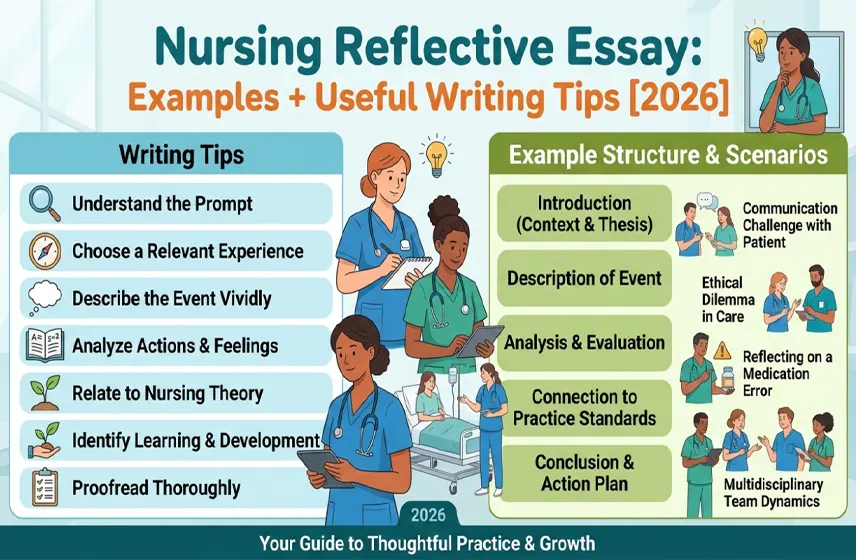
Document Everything: The thing that is necessary for nursing students is that they have to keep a learning diary for their reflections. It will help them link their theories to practice easily, and they can also track their skills for their portfolios.
-
Ask and Then Reflect: Getting confused, or are you unable to understand? Ask critical questions: “Which theory are you applying?” or “What do you still need to learn?” For your better understanding, and to make it easy to apply.
-
Proactive: Look for opportunities to help, learn the basic care, and collaborate with staff to have prior experience for your clinical rotations. Discuss the learning outcomes with your mentor to gain more knowledge and have a better understanding.
-
Time Management: When students started their clinical rotations, with their classes and assignments, it became difficult for them to handle everything at once. Then, for their assignments, they start seeking help from Nursing Assignment Helpers UK, provided by expert and qualified writers, making the situation easy for students to handle.
-
Physical Preparation: You must have comfortable shoes for your long shifts, and ensure you rest enough before your shifts.
-
Mindset and Health Care:
-
Self-Care: With your shifts and lectures, take care of your health, both mental and physical. Take breaks between shifts to keep yourself away from exhaustion. Block out time for friends, hobbies, and it will help reduce stress, keep your mind clear, and save yourself from burnout and anxiety.
-
Keep Encouraged: Find ways to keep yourself motivated, and do not lack confidence. Keep reminding yourself why you chose nursing. For motivation, you can read books or see inspirational books.
-
Steady Pace: Keep your focus on building good habits, don't be a perfectionist. Passing is key, especially in one year.
In a nutshell!
This brings us to the end of our blog. If you are a nursing student, start planning your studies, as the new year is just upon us. Keep things in the sequence and don’t overdo it or burden yourself. Maintain a balance between classes, lectures, and your health.
Read the tips for planning your new academic year, and also seek expert guidance and help to manage your workload. Also, take a New Year's resolution that can make things easier for you.
We hope you find help through our blog.
Thank you.